
Follow Us

Aligners & Orthodontic Treatment

Need Orthodontic Care?
Contact With Us

Consult Dr. Snehal Vachheta Kotak for personalized dental evaluation and treatment planning.

+91 95587 73223

Follow Us

Aligners & Orthodontic Treatment

Aligners & Orthodontic Treatment

Straighten Your Smile Discreetly

Aligners and orthodontic treatments are used to improve the alignment and positioning of teeth. Depending on the individual dental condition, treatment may help address spacing, crowding, and selected alignment concerns.

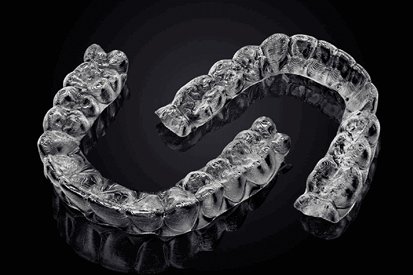
Clear aligners are removable, tooth-coloured or transparent orthodontic appliances designed to gradually guide teeth toward planned positions.

Treatment planning should be individualized according to the position of the teeth, bite, oral health, treatment goals, and the type and complexity of tooth movement required.

Clear Aligners

Clear aligners are a series of removable orthodontic appliances designed to gradually move teeth according to a planned treatment sequence.

They are designed to be less noticeable than traditional fixed orthodontic appliances and can be removed for eating, drinking, and routine oral hygiene.

Suitability depends on the type and complexity of the tooth movement required and the individual's overall orthodontic condition.

Clear aligners may be considered for:
  • Selected spacing concerns
  • Selected crowding concerns
  • Minor to moderate alignment concerns
  • Patients seeking a discreet orthodontic option

Invisible Orthodontic Treatment

Invisible orthodontic treatment refers to orthodontic approaches designed to make the appliance less noticeable while teeth are gradually aligned.

Clear aligners are one commonly used discreet orthodontic option. The appropriate approach depends on the patient's dental condition and the type of tooth movement required.

A detailed assessment is important before selecting an invisible orthodontic treatment option.

Discreet orthodontic treatment may be considered when:
  • A less noticeable orthodontic option is preferred
  • Selected alignment problems are present
  • Spacing or crowding requires correction
  • The case is suitable for aligner-based treatment

Minor Teeth Alignment

Minor teeth alignment treatment focuses on correcting selected tooth-position concerns where limited orthodontic movement may be required.

Treatment may involve clear aligners or another appropriate orthodontic approach depending on the individual case.

A clinical evaluation is necessary to determine whether the alignment concern is suitable for a limited orthodontic treatment approach.

Minor alignment treatment may address:
  • Mild tooth rotation
  • Selected tooth-position concerns
  • Minor spacing
  • Minor crowding

Spacing & Crowding Correction

Spacing occurs when there are visible gaps between teeth, while crowding occurs when there is insufficient space for teeth to align properly.

Orthodontic treatment can be planned to gradually move teeth and improve their alignment where clinically appropriate.

The complexity of the spacing or crowding determines the type of orthodontic treatment that may be suitable.

Treatment may help address:
  • Gaps between teeth
  • Mild to moderate crowding
  • Selected tooth rotations
  • Overall dental alignment concerns

Retainers

Retainers are orthodontic appliances used after active tooth movement to help maintain the achieved tooth positions.

Teeth can naturally move over time, which is why retention is an important part of maintaining orthodontic treatment results.

The type and wearing schedule of a retainer depend on the individual treatment plan and clinical requirements.

Retainers may be recommended:
  • After clear aligner treatment
  • After orthodontic tooth alignment
  • To help maintain corrected tooth positions
  • As part of long-term orthodontic maintenance

Orthodontic Consultation

An orthodontic consultation is the first step in understanding the position of the teeth, bite, spacing, crowding, and overall alignment concerns.

The assessment helps determine whether clear aligners, another orthodontic approach, or a different dental treatment would be appropriate.

Treatment planning is individualized according to the patient's dental condition, treatment goals, and the complexity of the required tooth movement.

An orthodontic consultation may include evaluation of:
  • Tooth alignment
  • Dental spacing and crowding
  • Bite and tooth relationship
  • Gum and oral health
  • Suitability for clear aligners
  • Overall treatment requirements

A Personalized Approach to Teeth Alignment

Orthodontic treatment should be planned according to the patient's individual tooth position, bite, oral health, and treatment objectives.

A detailed evaluation helps determine whether clear aligners or another orthodontic approach is suitable for the required tooth movements.

Treatment planning considers:
  • Current tooth alignment
  • Spacing and crowding
  • Bite and functional requirements
  • Oral and gum health
  • Required tooth movement
  • Treatment duration and maintenance
  • Retention after active treatment

When to Consider Aligners & Orthodontic Treatment

Orthodontic treatment may be considered when teeth are crowded, spaced, rotated, or otherwise positioned in a way that requires alignment correction.

A consultation is important because not every alignment concern can be treated with clear aligners or a limited orthodontic approach.

You may consider an orthodontic consultation if you have:
  • Gaps between teeth
  • Crowded teeth
  • Mildly rotated or misaligned teeth
  • Relapse after previous orthodontic treatment
  • Concerns about the appearance of tooth alignment
  • Interest in a discreet orthodontic option

Clear aligners are a series of removable orthodontic appliances designed to gradually move teeth according to a planned treatment sequence.

Clear aligners are designed to be discreet and less noticeable than many traditional orthodontic appliances. However, they are not completely invisible in every situation.

Clear aligners can correct selected cases of crowding. The suitability depends on the severity of crowding and the type of tooth movement required.

Yes. Clear aligners may be used to correct selected spacing problems and gradually close gaps between teeth when clinically appropriate.

Retainers are orthodontic appliances used after active tooth movement to help maintain the corrected positions of the teeth.

Retention is generally an important part of orthodontic treatment because teeth can move over time. The type and wearing schedule of retainers depend on the individual treatment plan.

No. Suitability depends on the type and complexity of tooth movement required, the bite, oral health, and other individual factors. A clinical evaluation is required before treatment.

Treatment duration varies depending on the amount and type of tooth movement required. A personalized treatment plan is needed to estimate the expected treatment duration.

Clear aligners are removable appliances and are generally removed for eating and drinking as directed by the treating clinician. They should also be removed according to the prescribed instructions for cleaning and maintenance.

An orthodontic consultation can be considered if you have concerns about crowded teeth, gaps, tooth alignment, relapse after previous treatment, or if you are interested in a discreet orthodontic treatment option.
Care That Looks Beyond the Immediate Concern

Discuss your dental concerns and goals with Dr. Snehal Kotak. Together, you can explore a personalized plan for your oral health, function and smile.

Dental care focused on preserving natural teeth