
Follow Us

Crowns & Bridges

Need Crowns & Bridges?
Contact With Us

Consult Dr. Snehal Vachheta Kotak, MDS – Conservative Dentistry & Endodontics, for personalized restorative and prosthetic dental care.

+91 95587 73223

Follow Us

Crowns & Bridges

Crowns & Bridges

Strengthen & Replace Damaged Teeth

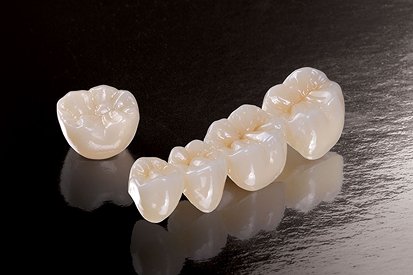
Crowns and bridges are restorative and prosthetic dental treatments used to strengthen damaged teeth, restore tooth structure, improve function, and replace selected missing teeth.

The appropriate restoration depends on the condition of the tooth, the amount of remaining tooth structure, functional requirements, aesthetic considerations, and the overall treatment plan.

Dr. Snehal Vachheta Kotak, MDS – Conservative Dentistry & Endodontics, provides individualized treatment planning with consideration for tooth preservation, function, appearance, and long-term dental health.

Porcelain Crowns

Porcelain crowns are tooth-coloured restorations designed to cover and restore a damaged or weakened tooth while providing a natural-looking appearance.

A porcelain crown may be considered when a tooth requires more coverage than a conventional filling or other conservative restoration can provide.

The tooth is evaluated before treatment to determine the amount of remaining tooth structure and whether a crown is appropriate.

Porcelain crowns may be considered for:
  • Damaged or weakened teeth
  • Selected fractured teeth
  • Teeth with significant loss of tooth structure
  • Selected aesthetic restorative cases

Zirconia Crowns

Zirconia crowns are ceramic restorations used to restore selected damaged or weakened teeth.

Zirconia is a tooth-coloured restorative material that can be used in different clinical situations where strength and appearance are important considerations.

The suitability of a zirconia crown depends on the location of the tooth, the amount of remaining tooth structure, bite, functional requirements, and the overall treatment plan.

Zirconia crowns may be considered when:
  • A tooth requires full-coverage restoration
  • Additional structural protection is required
  • A tooth-coloured restoration is desired
  • Functional and aesthetic requirements need to be considered

Metal-Ceramic (PFM) Crowns

Metal-Ceramic or Porcelain-Fused-to-Metal (PFM) crowns combine a metal substructure with a ceramic outer layer.

PFM crowns have been used as a restorative option for teeth requiring full-coverage restoration.

The choice of crown material depends on the tooth location, remaining tooth structure, functional demands, aesthetic requirements, and individual treatment considerations.

PFM crowns may be considered for:
  • Selected posterior teeth
  • Teeth requiring full-coverage restoration
  • Teeth with significant structural damage
  • Cases where a metal-ceramic restoration is appropriate

E-max / Ceramic Crowns

E-max and other ceramic crowns are tooth-coloured restorations used in selected cases where aesthetics and restoration of tooth structure are important considerations.

Ceramic restorations can provide an aesthetic option for selected teeth, particularly when the appearance of the restoration is an important part of treatment planning.

The suitability of a ceramic crown depends on the tooth condition, location, remaining structure, bite, and functional requirements.

Ceramic crowns may be considered for:
  • Selected front teeth
  • Selected visible teeth
  • Teeth requiring aesthetic full coverage
  • Selected restorative and aesthetic cases

Dental Bridges

Dental bridges are prosthetic restorations used to replace selected missing teeth by using adjacent teeth or other supporting structures to provide support for the replacement tooth.

A bridge can help restore the appearance and function of the area affected by a missing tooth.

Before treatment, the supporting teeth and surrounding oral structures are evaluated to determine whether a bridge is an appropriate option.

Dental bridges may be considered when:
  • One or more teeth are missing
  • Suitable supporting teeth are present
  • Restoration of chewing function is required
  • Replacement of a missing tooth is desired

Post & Core Restoration

A post and core restoration may be used in selected teeth that have undergone significant loss of tooth structure, particularly after Root Canal Treatment.

The post may provide support within the root canal space when clinically appropriate, while the core helps rebuild the remaining tooth structure to support the final restoration.

Not every root canal treated tooth requires a post. The decision depends on the amount of remaining tooth structure and the requirements of the final restoration.

Post & Core Restoration may be considered when:
  • Significant tooth structure has been lost
  • A root canal treated tooth requires additional support
  • A crown requires adequate structural support
  • The remaining tooth structure needs reconstruction

Crowns After Root Canal Treatment

After Root Canal Treatment, some teeth may require a crown or other appropriate restoration to restore and protect the remaining tooth structure.

The need for a crown depends on factors such as the amount of remaining tooth structure, the location of the tooth, functional demands, and the type of restoration required.

The final restoration is planned after assessing the condition of the treated tooth and its ability to support the proposed restoration.

A crown after Root Canal Treatment may be considered when:
  • Significant tooth structure has been lost
  • The tooth requires additional structural protection
  • The tooth is exposed to significant chewing forces
  • A full-coverage restoration is clinically appropriate

A Conservative Approach to Crowns & Bridges

Crowns and bridges should be planned according to the condition of the tooth and the surrounding oral structures rather than using the same restoration for every patient.

Dr. Snehal Vachheta Kotak focuses on preserving healthy tooth structure whenever clinically possible while considering function, appearance, bite, and long-term restorative needs.

The treatment approach is based on:
  • Detailed assessment of the tooth
  • Evaluation of remaining tooth structure
  • Consideration of tooth function and bite
  • Appropriate selection of crown or bridge material
  • Natural-looking aesthetic considerations
  • Individualized treatment planning
  • Long-term maintenance considerations

When to Consider Crowns & Bridges

Crowns or bridges may be considered when teeth have significant structural damage, require full-coverage restoration, or when selected missing teeth need replacement.

A detailed evaluation is important before choosing the type of restoration because different teeth and clinical situations may require different restorative approaches.

You may need a restorative evaluation if you have:
  • A significantly damaged or weakened tooth
  • A fractured tooth requiring additional coverage
  • A root canal treated tooth requiring restoration
  • Significant loss of tooth structure
  • A missing tooth
  • A large or failing existing restoration
  • Functional or aesthetic concerns with an existing tooth

A dental crown is a restoration designed to cover and restore a damaged or weakened tooth. It can help restore the tooth's function, shape, and appearance when a more extensive restoration is required.

Both are tooth-coloured restorative options, but they have different material properties and clinical applications. The appropriate choice depends on the tooth location, remaining tooth structure, functional requirements, aesthetic considerations, and overall treatment plan.

PFM stands for Porcelain-Fused-to-Metal. These crowns combine a metal substructure with a ceramic outer layer and may be used for selected teeth requiring full-coverage restoration.

E-max and other ceramic crowns are tooth-coloured restorations used in selected cases where aesthetics and restoration of tooth structure are important considerations.

A dental bridge is a prosthetic restoration used to replace selected missing teeth. It uses adjacent teeth or other supporting structures to support the replacement tooth.

Not every root canal treated tooth necessarily requires a crown. The decision depends on the amount of remaining tooth structure, tooth location, functional demands, and the type of restoration required.

A Post & Core Restoration may be used when a tooth has significant loss of structure and requires reconstruction to support a final restoration. Not every root canal treated tooth requires a post.

The appropriate crown depends on the condition and location of the tooth, remaining tooth structure, bite, functional requirements, aesthetic considerations, and overall treatment plan. A clinical evaluation is required before selecting the restoration.

Yes. A dental bridge can replace selected missing teeth when suitable supporting teeth or structures are available. The supporting teeth and surrounding tissues need to be evaluated before treatment.

Good oral hygiene, regular dental check-ups, and appropriate cleaning around the restoration are important for maintaining the supporting teeth and surrounding gums. Individual care instructions depend on the type and location of the restoration.
Care That Looks Beyond the Immediate Concern

Discuss your dental concerns and goals with Dr. Snehal Kotak. Together, you can explore a personalized plan for your oral health, function and smile.

Dental care focused on preserving natural teeth