
Follow Us

Restorative Dentistry

Need Restorative Care?
Contact With Us

Consult Dr. Snehal Vachheta Kotak, MDS – Conservative Dentistry & Endodontics, for personalized restorative dental care.

+91 95587 73223

Follow Us

Restorative Dentistry

Restorative Dentistry

Restore Damaged & Decayed Teeth

Restorative dentistry focuses on repairing teeth affected by dental decay, damage, fractures, wear, or loss of tooth structure. The goal is to restore the tooth's function, strength, appearance, and long-term usability while preserving healthy natural tooth structure whenever clinically possible.

Dr. Snehal Vachheta Kotak, MDS – Conservative Dentistry & Endodontics, provides individualized restorative dental care based on the condition of the tooth, the extent of damage, functional requirements, and aesthetic considerations.

Every restorative treatment plan is developed after evaluating the tooth and understanding the patient's specific dental needs.

Dental Fillings

Dental fillings are used to restore teeth affected by dental decay or certain areas of lost tooth structure.

During treatment, the decayed or compromised portion of the tooth is carefully removed and the resulting cavity is restored using an appropriate restorative material.

The aim is to restore the tooth while maintaining as much healthy natural tooth structure as possible.

Dental fillings may be required for:
  • Dental cavities
  • Small areas of tooth decay
  • Minor defects in tooth structure
  • Replacement of certain defective restorations
  • Selected areas of tooth wear

The choice of filling material depends on the location and condition of the tooth and the functional and aesthetic requirements.

Tooth-Coloured Composite Restorations

Tooth-coloured composite restorations are designed to repair damaged or decayed teeth while maintaining a natural-looking appearance.

Composite material can be carefully matched, shaped, and polished to blend with the surrounding tooth structure.

They may be particularly useful when aesthetics are important, including restorations involving visible front teeth.

Composite restorations may be used for:
  • Dental cavities
  • Small to moderate tooth damage
  • Chipped teeth
  • Minor fractures
  • Replacement of selected old restorations
  • Aesthetic restoration of front teeth

The restoration is planned according to the condition of the tooth and the amount of tooth structure that needs to be replaced.

GIC Restorations

Glass Ionomer Cement (GIC) is a restorative material that may be used in selected dental situations.

The choice to use GIC depends on factors such as the location of the tooth, extent of the defect, moisture control, functional requirements, and the overall treatment plan.

GIC restorations may be considered when a suitable restorative material is required for a particular clinical situation.

The treatment approach is always individualized according to the condition of the tooth.

Restoration of Broken / Chipped Teeth

Teeth can become broken or chipped due to trauma, biting forces, dental decay, wear, or other causes.

The appropriate treatment depends on the size and location of the fracture, the condition of the remaining tooth structure, and whether the pulp or supporting tissues have been affected.

Depending on the extent of damage, treatment may include a tooth-coloured composite restoration, veneer, inlay, onlay, crown, or other appropriate restorative procedure.

Broken or chipped teeth should be evaluated when:
  • A visible portion of the tooth has fractured
  • The tooth becomes sensitive
  • Pain occurs while biting
  • A sharp or rough edge is present
  • A front tooth has been damaged
  • A previously restored tooth has fractured

The objective is to restore the affected tooth while considering both function and appearance.

Inlays & Onlays

Inlays and onlays are indirect restorations used for selected teeth that require more restoration than a conventional filling but do not necessarily require a full dental crown.

An inlay generally restores a portion of the tooth within the cusps, while an onlay can extend over one or more cusps when additional coverage is required.

They may be considered when a tooth has significant structural damage but sufficient healthy tooth structure remains for a more conservative restoration.

Inlays and onlays may be considered for:
  • Larger cavities
  • Damaged chewing surfaces
  • Fractured portions of teeth
  • Replacement of large fillings
  • Selected teeth requiring additional structural support

Treatment suitability depends on the condition and remaining structure of the tooth.

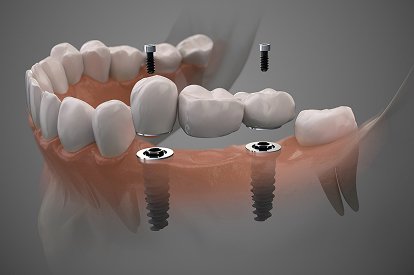
Full Mouth Rehabilitation

Full Mouth Rehabilitation involves comprehensive treatment planning for patients who have multiple dental concerns affecting the teeth, bite, function, appearance, or a combination of these factors.

Rather than treating each tooth independently, the overall condition of the mouth is evaluated to develop a coordinated treatment plan.

Depending on the patient's needs, treatment may involve a combination of restorative, endodontic, aesthetic, prosthetic, or other dental procedures.

Full Mouth Rehabilitation may be considered for patients with:
  • Multiple damaged or decayed teeth
  • Extensive tooth wear
  • Multiple missing or compromised teeth
  • Extensive existing restorations
  • Functional or bite-related concerns
  • Significant aesthetic and restorative requirements

Treatment is generally planned in stages according to the patient's clinical condition and priorities.

A Conservative Approach to Restorative Dentistry

Restorative dentistry is not simply about repairing a damaged tooth. A successful restoration should also consider the remaining healthy tooth structure, function, appearance, bite, and long-term maintenance.

Dr. Snehal Vachheta Kotak combines her training in Conservative Dentistry & Endodontics with clinical experience to develop individualized restorative treatment plans.

The restorative approach focuses on:
  • Accurate assessment of the affected tooth
  • Preservation of healthy tooth structure
  • Appropriate selection of restorative material
  • Restoration of tooth function
  • Natural-looking aesthetic results
  • Individualized treatment planning
  • Long-term dental health and maintenance

Whenever clinically appropriate, conservative treatment options are considered before more extensive restorative procedures.

When to Consider Restorative Dentistry

Restorative dental treatment may be considered when a tooth has been affected by decay, fracture, chipping, wear, an old or defective restoration, or significant loss of tooth structure.

Early evaluation can help determine the extent of the problem and whether a conservative restoration can be used.

You may need a restorative dental evaluation if you have:
  • A cavity or visible tooth decay
  • A chipped or broken tooth
  • A damaged filling
  • Pain while chewing
  • Tooth sensitivity
  • Worn or weakened teeth
  • A large existing restoration
  • Loss of tooth structure
  • Multiple teeth requiring restoration

Not every damaged tooth requires the same type of restoration. The appropriate treatment depends on the condition and amount of remaining healthy tooth structure.

Restorative dentistry focuses on repairing teeth affected by decay, damage, fractures, wear, or loss of tooth structure. Treatment aims to restore function, strength, and appearance while preserving healthy tooth structure whenever possible.

A filling may be recommended when a tooth has a cavity or a relatively small area of lost or damaged tooth structure that can be restored without requiring a more extensive restoration.

Composite restorations are tooth-coloured restorative materials used to repair selected damaged or decayed teeth. They can be shaped and matched to the surrounding tooth structure to provide a natural-looking result.

GIC, or Glass Ionomer Cement, is a restorative material used in selected clinical situations. Its suitability depends on the location and condition of the tooth and the specific treatment requirements.

A chipped or broken tooth should be evaluated by a dentist, particularly if there is pain, sensitivity, bleeding, or significant loss of tooth structure. Treatment depends on the extent and location of the damage.

Both are indirect restorations. An inlay generally restores the portion of a tooth within the cusps, while an onlay can extend over one or more cusps when greater coverage is required.

No. The appropriate restoration depends on the amount of remaining tooth structure, the location of the tooth, the extent of damage, and functional requirements. Some teeth can be restored with fillings, composite restorations, inlays, or onlays.

Full Mouth Rehabilitation is a comprehensive treatment approach for patients with multiple dental problems involving tooth structure, function, bite, aesthetics, or several of these concerns. Treatment is planned in a coordinated manner according to the patient's individual needs.

Yes. Many restorative procedures, including tooth-coloured composite restorations and selected indirect restorations, can restore both the function and appearance of damaged teeth.

The appropriate treatment depends on the condition of the tooth, the amount of remaining healthy structure, the extent of damage, functional requirements, aesthetic considerations, and long-term treatment goals. A clinical examination is required before selecting the appropriate restoration.
Care That Looks Beyond the Immediate Concern

Discuss your dental concerns and goals with Dr. Snehal Kotak. Together, you can explore a personalized plan for your oral health, function and smile.

Dental care focused on preserving natural teeth